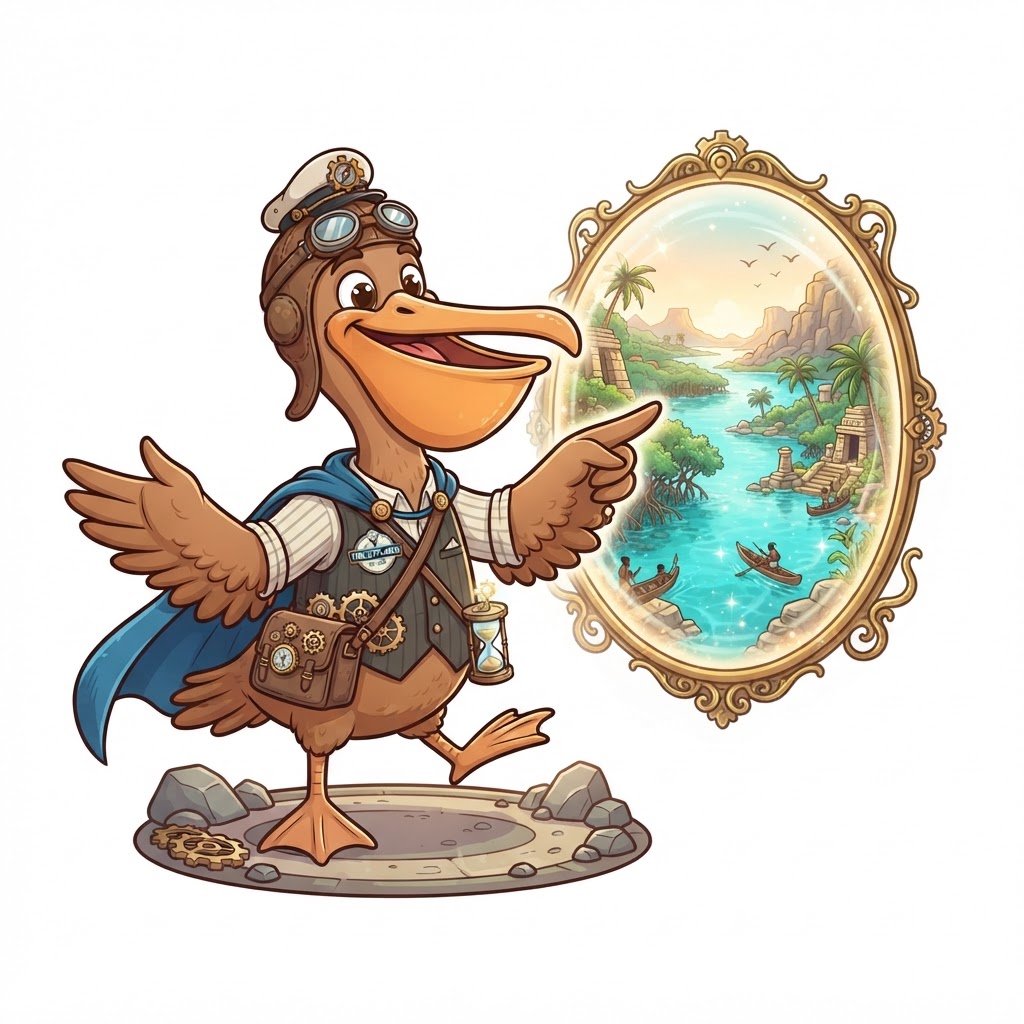
"If you could travel back 200 years, you wouldn't recognize the lagoon. The water was clear enough to see the bottom. Oyster reefs rose from the shallows. Seagrass covered the floor. Fish were so abundant you could catch them with your hands. Today, much of that is gone. What happened?"
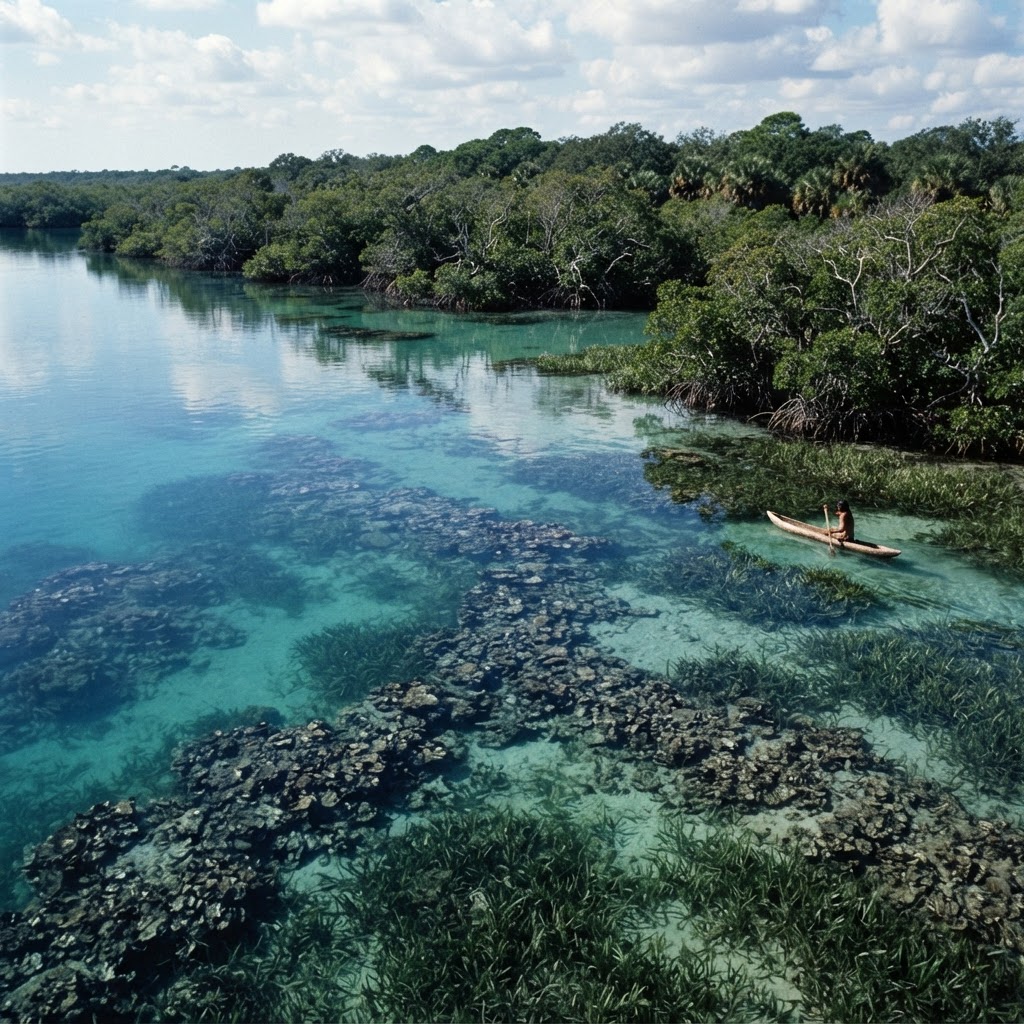
A Lagoon Transformed
The Indian River Lagoon of 200 years ago was a fundamentally different place than the lagoon of today. In the early 1800s, before large-scale development, the lagoon had clear water (you could see the bottom in most areas), extensive oyster reefs (covering an estimated 60-80% of the shallow areas), dense seagrass meadows (covering most of the lagoon floor), and abundant fish and wildlife. The water was clean because there were no fertilizers, no septic systems, no stormwater runoff, and no dredging. The shoreline was natural — mangroves, marsh grass, and sand — not seawalls. The lagoon was one of the most productive estuaries in North America, supporting enormous populations of fish, oysters, crabs, and wildlife. Understanding what the lagoon was like 'then' helps us understand what we've lost — and what we could restore.