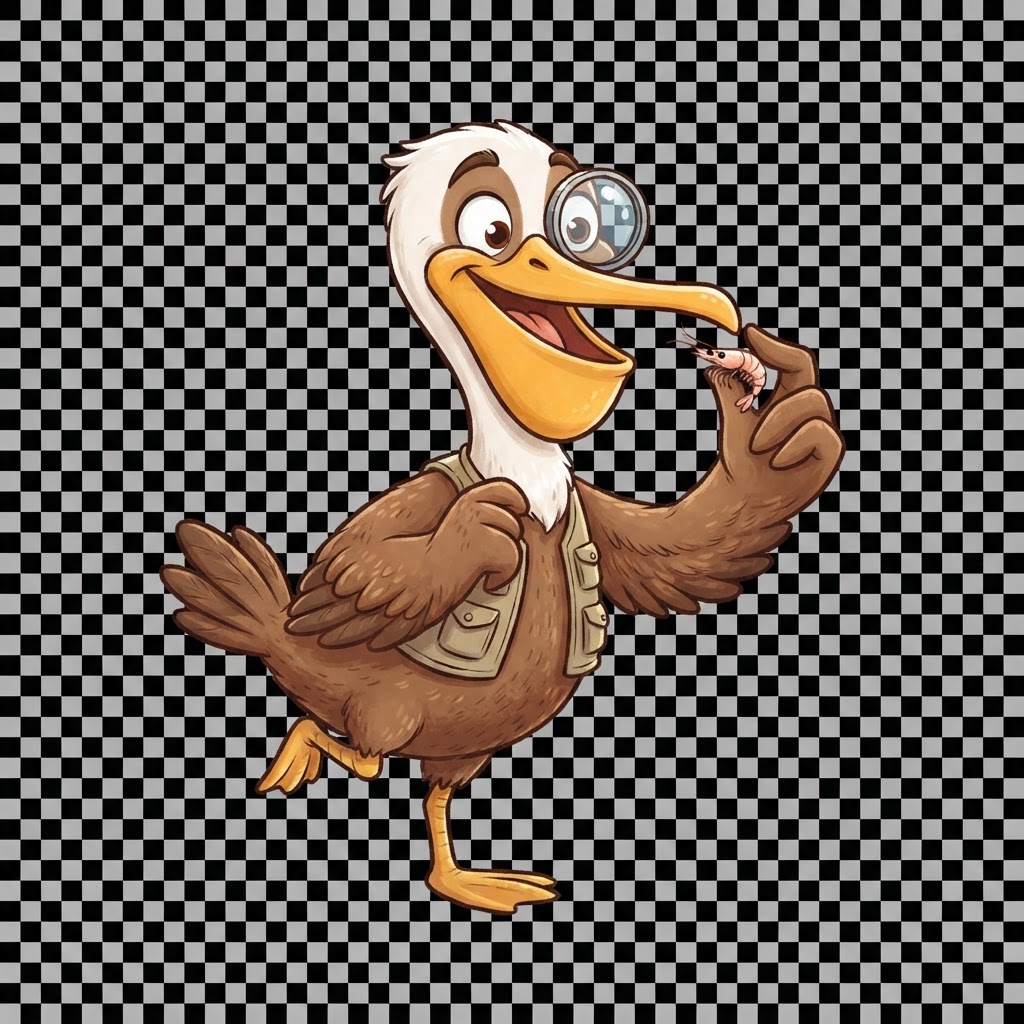
"Shrimp are one of the most important animals in the lagoon — even though most people only think of them as bait or food. The lagoon has grass shrimp, pink shrimp, and white shrimp. They're food for almost everything: fish, crabs, birds. Without shrimp, the lagoon ecosystem would collapse."
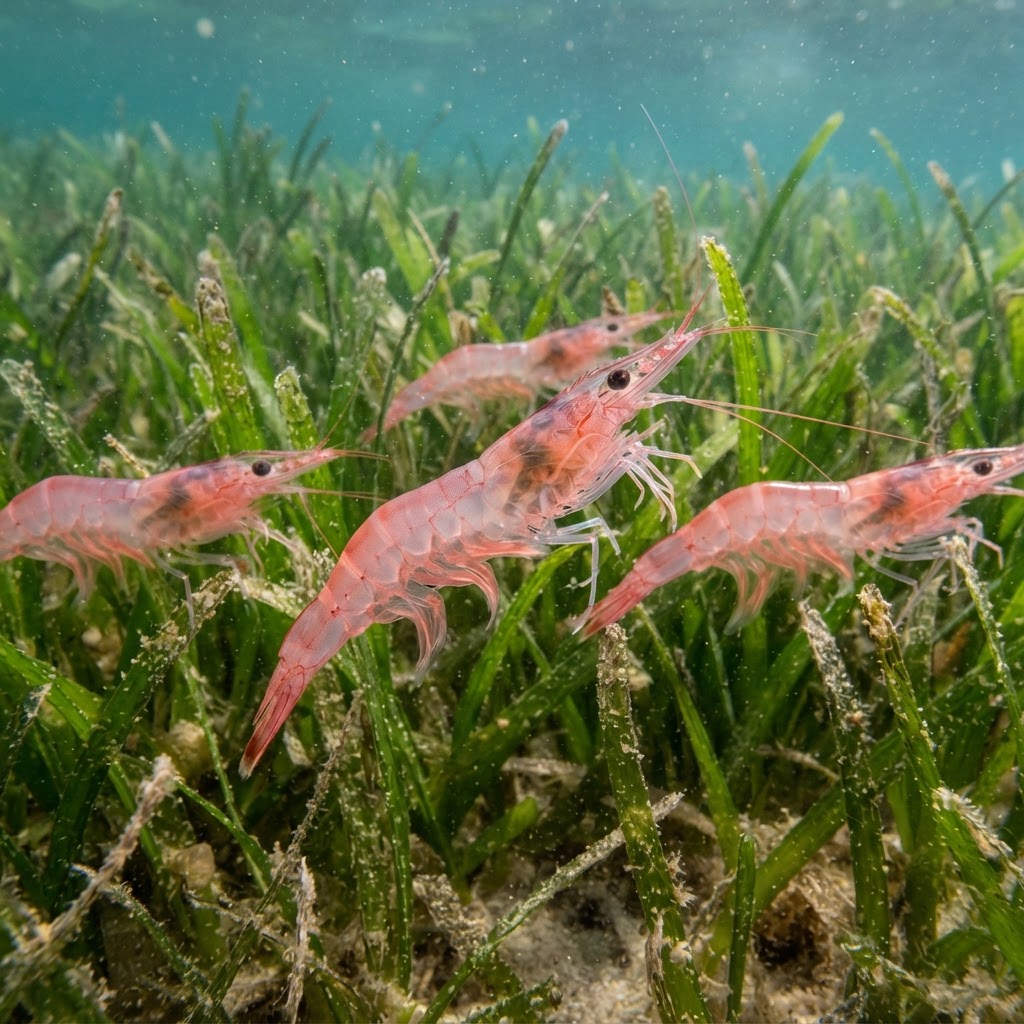
Shrimp of the Lagoon
Shrimp are one of the most ecologically important animals in the Indian River Lagoon. Three main species are found here: grass shrimp (small, transparent shrimp that live in seagrass), pink shrimp (the larger, commercially important shrimp that use the lagoon as a nursery), and white shrimp (found in the lower-salinity areas). Shrimp are a critical food source for virtually every predatory fish in the lagoon — snook, redfish, trout, tarpon, sheepshead, and many others eat shrimp regularly. Crabs, birds, and even other shrimp prey on them. Shrimp are also commercially harvested, supporting a shrimp trawling industry. Despite their importance, shrimp are often overlooked because they're small and not as glamorous as game fish. But the lagoon's entire food web rests on a foundation of shrimp, crabs, and other small invertebrates. Understanding shrimp means understanding the foundation of the lagoon ecosystem.