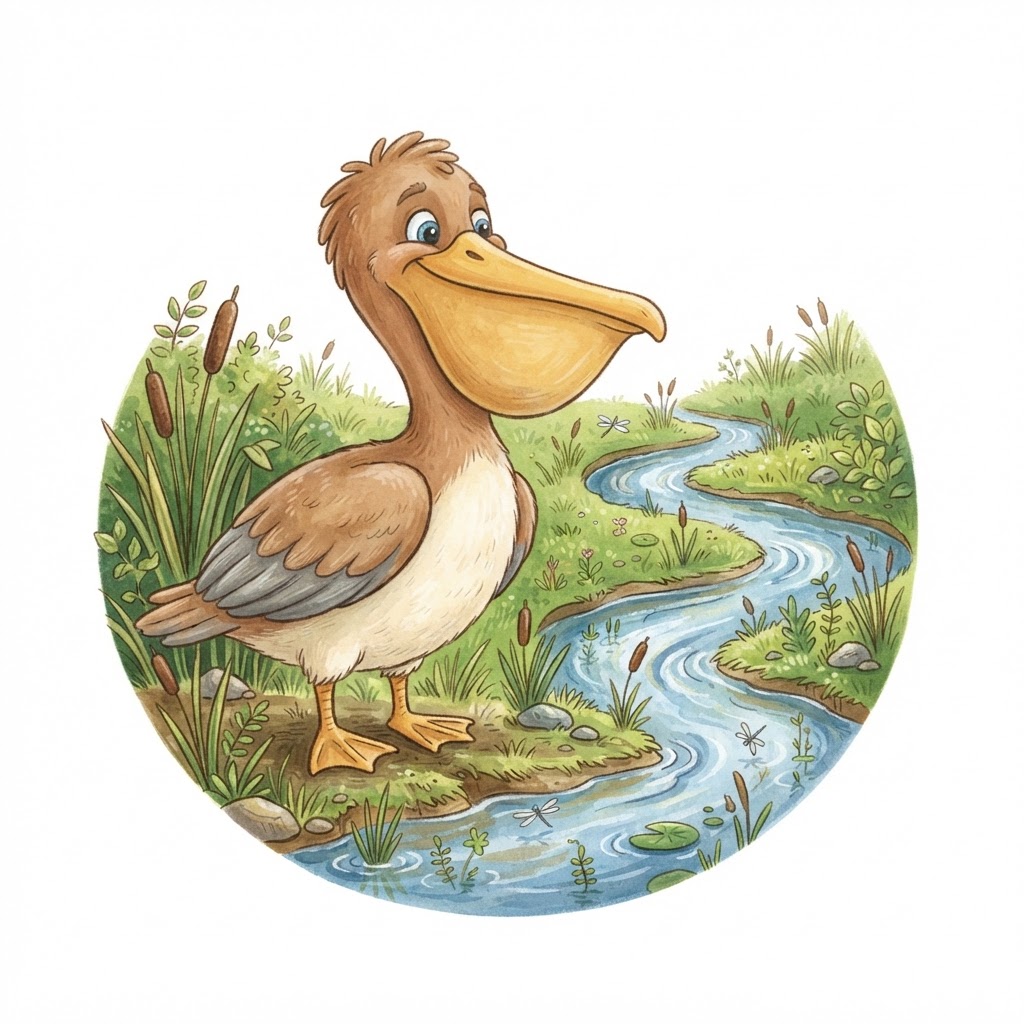
"Before canals, rainwater didn't shoot straight into the lagoon. It spread out. It meandered. It moved slowly across wetlands and forests and grasslands, getting cleaned along the way, and finally reached the lagoon as clear, cool freshwater. The lagoon got a slow, gentle drink — not a sudden gulp of dirty water."
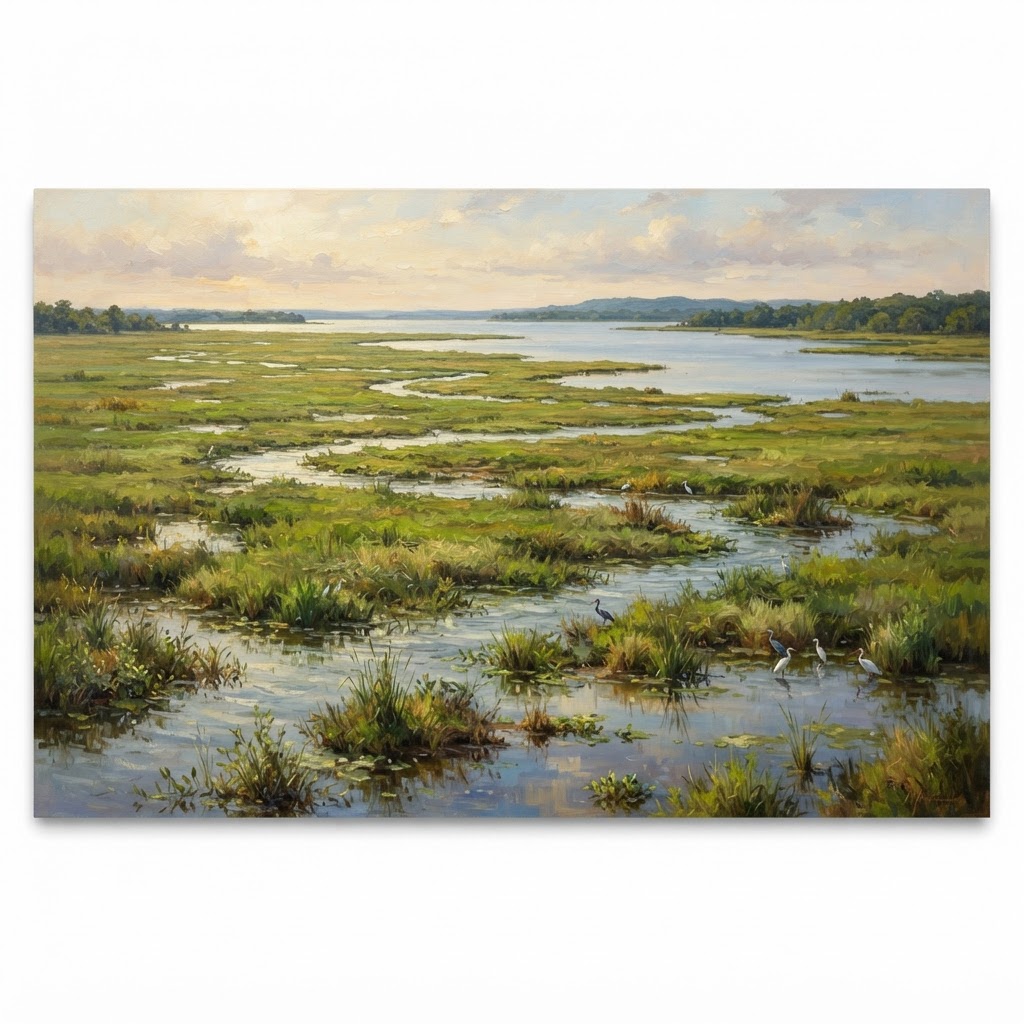
Water Found Its Way
How water reached the lagoon before canals: In the pre-development landscape, rainwater didn't rush straight into the lagoon through engineered channels. It moved slowly. Sheet flow: Rain fell across a landscape of wetlands, pine flatwoods, hammocks, and prairies. The water spread out in thin sheets ('sheet flow') and moved slowly downhill — not in a ditch, but across the land surface. Slow and filtered: As water moved across wetlands and through soil and plant roots, it was filtered. Sediment settled out. Nutrients were taken up by plants. By the time the water reached a creek and then the lagoon, it was clean and clear. Gradual input: The freshwater arrived in the lagoon gradually, over days and weeks, not in a few hours after a storm. This slow, steady input kept the lagoon's salt-fresh balance stable — and it meant the lagoon never got the sudden, polluted 'shocks' it gets today. The lesson: The way water gets to the lagoon matters as much as how much water gets there. Slow, filtered water is good water; fast, dirty water is bad water.