"Every single healthy lagoon, restored shoreline, and thriving reef you see today started with someone deciding to take action in their own backyard. Florida's most successful restoration projects didn't begin with million-dollar government programs — they started with neighbors, anglers, students, teachers, and concerned citizens who decided that 'someone should do something' and realized that someone was them. You don't need to be a scientist or a professional conservationist. You just need a plan, some community support, and the knowledge I'm about to share with you!"
Why Local Restoration Projects Matter
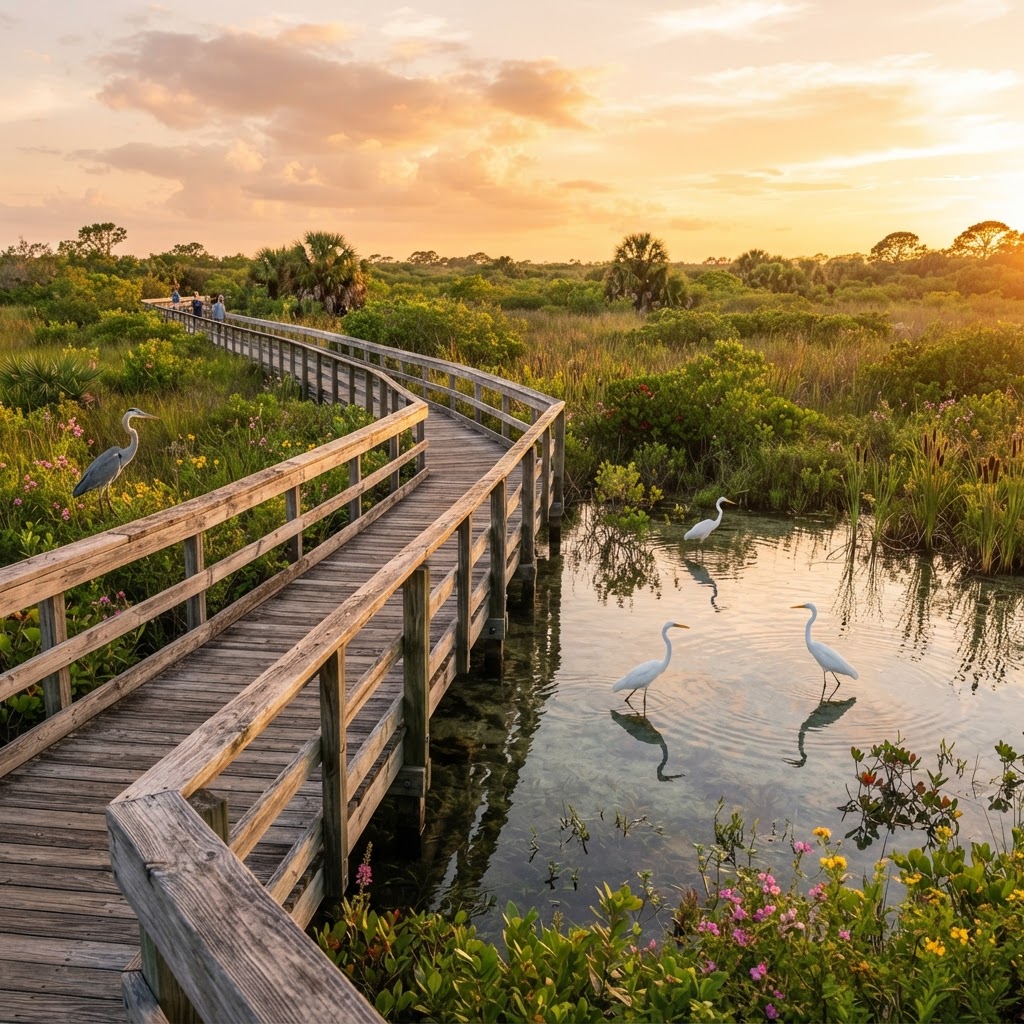
Florida has lost more than 50% of its wetlands, 47,000 acres of IRL seagrass, 85% of its oyster reefs, and vast stretches of native shoreline over the past century. Government agencies and large nonprofits cannot restore all of it alone — they simply don't have the funding, the local knowledge, or the community presence to tackle every site that needs help. This is where local community restoration projects become essential. The Indian River Lagoon alone has over 156 miles of shoreline — much of it degraded, armored with concrete seawalls, or colonized by invasive plants. Restoring even a small section of that shoreline creates a ripple effect: native plants stabilize sediment, filter runoff, provide habitat for fish and birds, and inspire neighbors to do the same. Studies show that community-led restoration projects have a higher long-term survival rate than top-down government projects because local people have a personal stake in their success. Ocean Aid 360, the Florida Oceanographic Society, the Marine Resource Council, and dozens of other Florida nonprofits provide frameworks, training, and support for community restoration efforts. And increasingly, these organizations are looking for partnerships with motivated community members who want to make a difference.