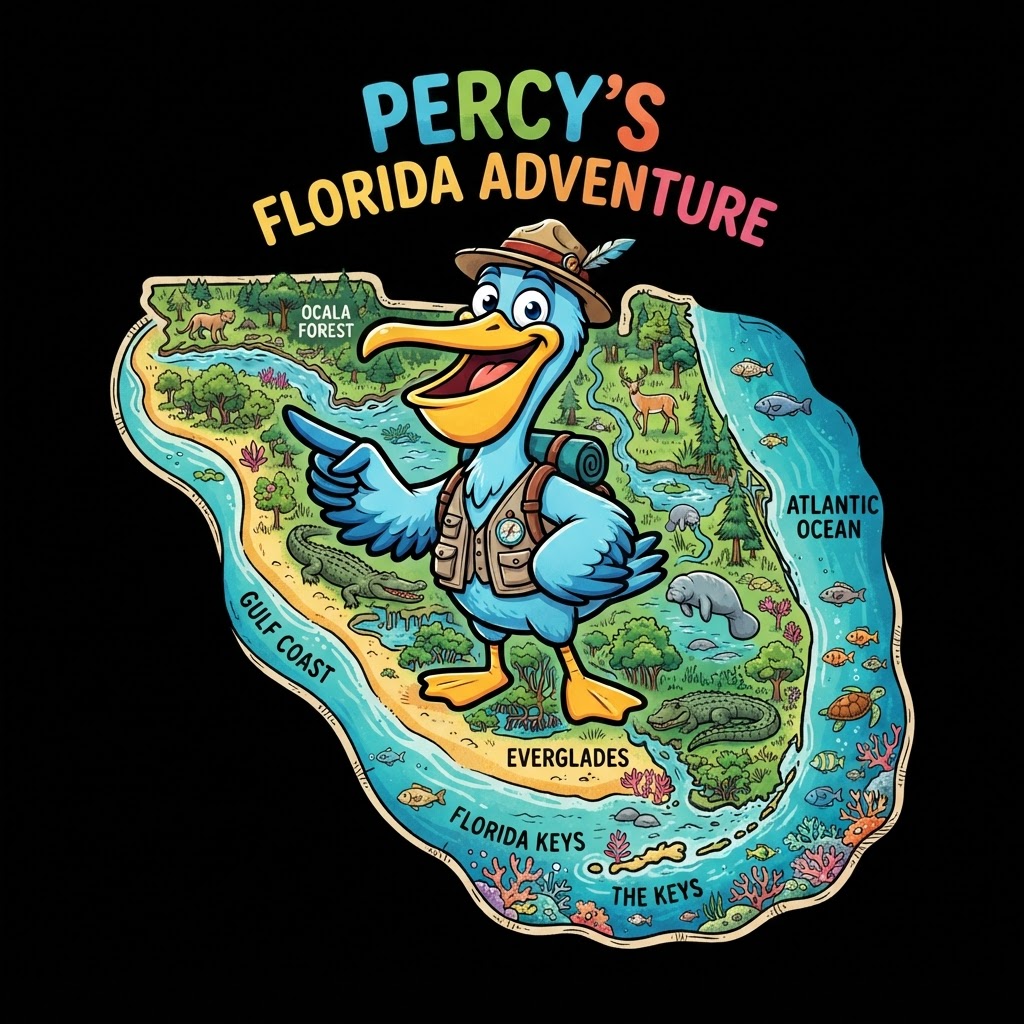
"I've flown over every corner of Florida, and I have to tell you — this state is absolutely extraordinary! From the coral reefs of the Keys to the cypress swamps of the Panhandle, from crystal-clear springs to the vast Everglades river of grass — Florida packs more ecological diversity into its borders than almost anywhere else in North America. And every single one of these ecosystems is under threat. Let me take you on a tour of Florida's incredible wild places!"
Florida's Diverse Ecosystems — A State Like No Other
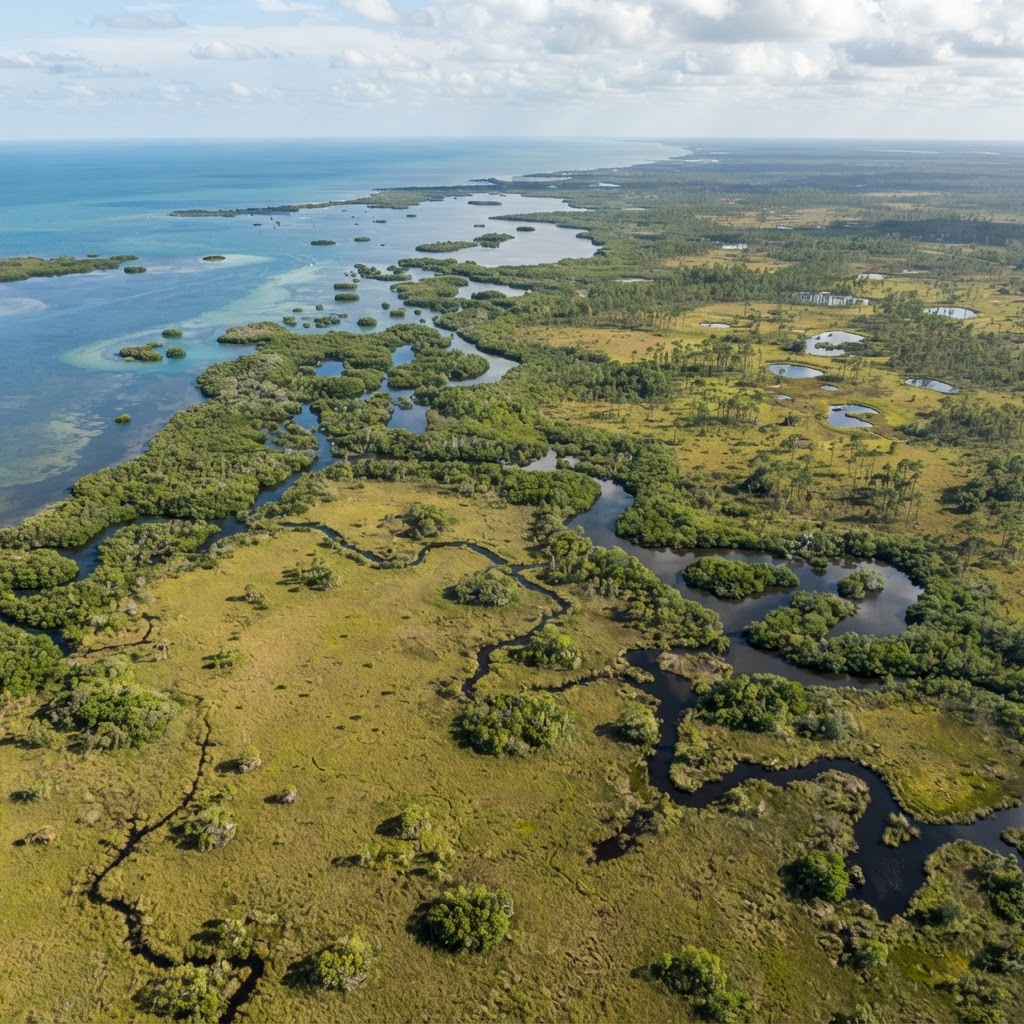
Florida is one of the most ecologically diverse states in the entire United States — a result of its unique geography stretching from a subtropical south to a temperate north, surrounded by two distinct bodies of water (the Gulf of Mexico and the Atlantic Ocean), and underlain by a vast limestone aquifer. Florida hosts 35+ distinct ecosystem types, harboring more than 700 vertebrate species (more than any other state except California), over 4,000 plant species, and thousands of invertebrate species. Florida is home to 65 federally listed threatened or endangered species — more than any other continental state — including the Florida panther, West Indian manatee, and loggerhead sea turtle. These ecosystems are not isolated — they are deeply interconnected. The health of a longleaf pine forest in the Panhandle affects the water quality of a coastal estuary hundreds of miles away. Understanding Florida's ecosystems means understanding a web of life that took millions of years to evolve.