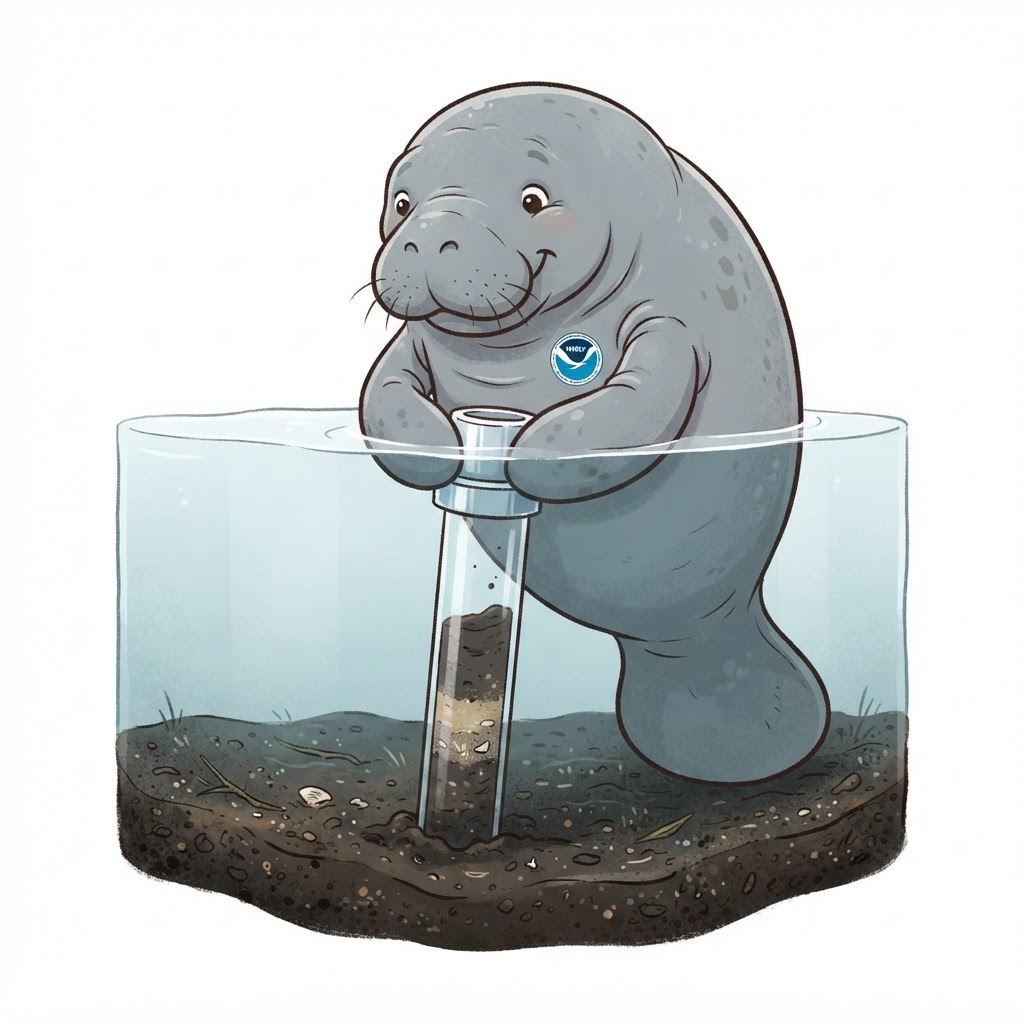
"Cut the external load and the lagoon should recover, right? Not always. Decades of pollution are stored in the mud, and the mud keeps leaking nutrients back. That's the sediment memory — internal loading."
Internal Loading: The Sediment Memory
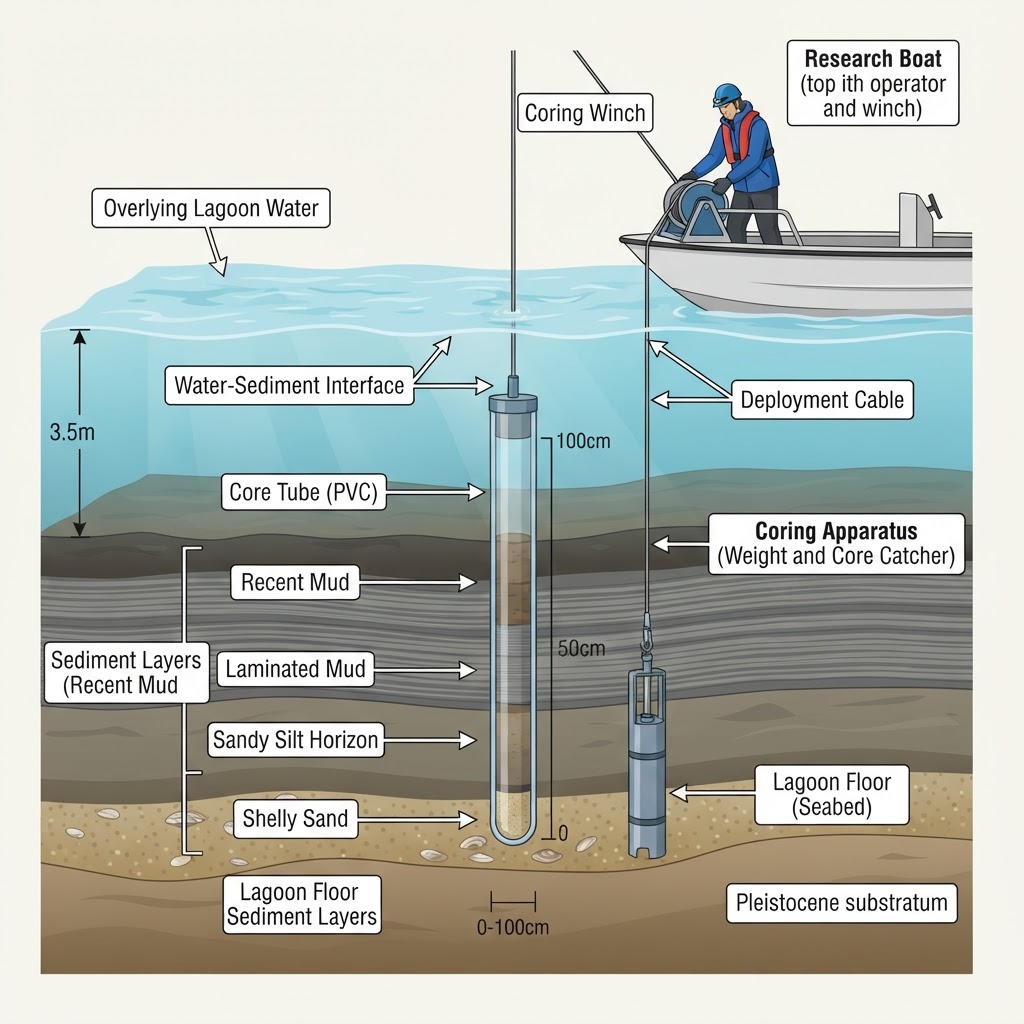
External nutrient loads (stormwater, septic, fertilizer) are only half the story. Estuarine sediments accumulate decades of deposited organic matter and adsorbed nutrients, forming a large internal reservoir. Under certain conditions — especially low oxygen at the sediment-water interface — this reservoir releases dissolved nutrients back to the water column, a process called internal loading or nutrient flux. Internal loading can sustain algal blooms for years after external loads are reduced, a phenomenon called 'hysteresis' that frustrates management. The lagoon's organic-rich 'muck' sediments are a major internal source, and understanding their flux is essential to predicting how fast the lagoon will respond to watershed restoration. Measuring sediment nutrient flux is therefore a core diagnostic: it tells managers whether internal loading will delay recovery and whether sediment management (muck removal) is needed alongside load reduction.